

TL;DR
- Ceiling stains, peeling paint near outside walls, and icicles that return to the same spot are the most common signs of ice dam roof damage.
- Most homeowners policies cover sudden water damage from an ice dam, but usually not the cost of removing the ice.
- Skip chisels, hammers, and ice melt on your roof. A professional steam removal service is the safest way to clear a large dam.
- Call a roofer if water gets inside, dams form in the same place every winter, or shingles look lifted once the snow melts.
It often shows up after a midwinter thaw: a brown ring on the ceiling near an outside wall, or a slow drip along a window frame. Outside, a thick ridge of ice sits along the edge of the roof. That ridge is an ice dam, and the stain means meltwater has already found a way under your shingles.
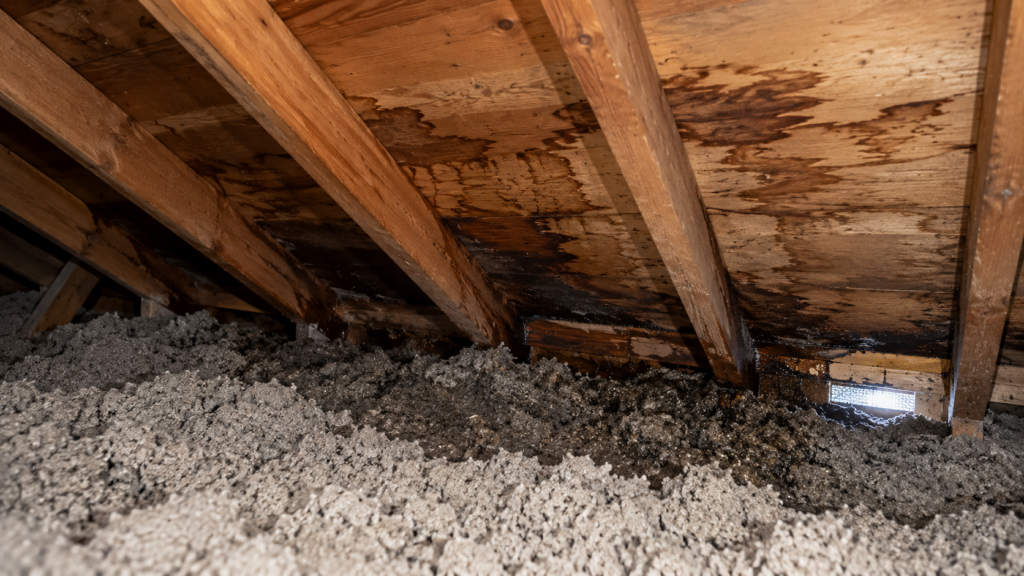
A ceiling stain is usually just the part of ice dam roof damage you can see. Water that backs up behind the ice can soak attic insulation, weaken the roof deck, and loosen shingles before a single drip reaches your living room. Twin Ports winters give that water months to do its work.
This guide covers the warning signs of ice dam damage, what to do when a dam forms, what homeowners insurance usually covers, and when it’s time to call a roofer. If you’d rather stop ice dams before they start, our guide on how to prevent ice dams on your Duluth home walks through the attic fixes that work.
Empire Roofing is a locally owned, GAF Master Elite roofing contractor based in Duluth, and fixing leaks caused by ice dams is a big part of our winter work across the Northland.
What Is an Ice Dam?
An ice dam is a ridge of ice that forms along the lower edge of a roof and blocks melting snow from draining off. Instead of running into your gutters, the meltwater pools behind the ice.
That pooled water is the real problem. Shingles are made to shed water flowing downhill, not to hold back standing water. Water trapped behind an ice dam can work its way up and under them, then into the roof deck, the attic, and eventually your walls and ceilings.
Ice dams form when the upper roof is warm enough to melt snow while the edge stays below freezing. That’s why they’re so common across the Northland, where snow can sit on a roof for months at a time.
Warning Signs of Ice Dam Roof Damage
Ice dam damage often starts where you can’t see it, so it pays to check a few spots after a heavy snow or a stretch of warmer days. Here’s what to look for:
- On ceilings and walls: Brown or yellow water stains, bubbling or peeling paint, and soft drywall, usually near an outside wall or around a window frame.
- In the attic: Wet or matted insulation, dark water stains on the roof boards or rafters near the eaves, and a musty smell.
- Along the roof edge: A thick ridge of ice at the eaves, and large icicles that come back in the same spots every winter.
- After the snow melts: Lifted, curled, or cracked shingles near the edge, gutters pulling away from the house, and peeling paint or soft wood on the soffits and fascia.
If you spot any of these, don’t wait for spring. Wet insulation doesn’t hold heat well, and moisture left in the roof deck or walls can turn into mold and rot. The next step is figuring out why the ice dam formed, and for most Duluth homes, the answer starts in the attic.
Why Ice Dams Keep Coming Back
Most ice dams start inside the house, not on the roof. Heat escaping into the attic warms the roof from below, melting snow everywhere except the cold edge that hangs past your exterior walls. That edge is where the meltwater refreezes and the dam builds.
That’s why patching a stained ceiling or replacing a few shingles won’t stop the next one. If the heat loss stays, the ice dam usually comes back in the same spot next winter, and so does the damage. Many older Northland homes were built long before air sealing and modern insulation were standard, so they’re especially prone to repeat ice dams.
Fixing the damage and fixing the cause are two different jobs. Our guide to stopping ice dams at the source walks through the attic fixes step by step, from sealing air leaks to bringing insulation up to the levels Duluth’s climate calls for.
What to Do When an Ice Dam Is Leaking Into Your Home
When water is already coming through a ceiling, the goal is to limit the damage inside while the ice gets handled outside. Work through these steps in order.
Catch the Water and Protect Your Things
Set out buckets and towels, and move furniture, rugs, and electronics away from the leak. If water is dripping from a light fixture or running near an outlet, shut off that circuit at the breaker. Leave it off until an electrician says it’s safe.
Take Photos Before You Clean Up
Photograph the ceiling stain, wet floors, and damaged belongings, plus the ice along the roof edge from the ground. Take both wide shots and close-ups, and keep receipts for anything you buy to dry things out. Your insurance company will want to see the damage the way you found it.
Dry Everything Out Fast
Run fans and a dehumidifier, and pull up wet rugs or carpet pads so the floor underneath can dry. The EPA recommends drying wet building materials within 24 to 48 hours to help prevent mold, so start as soon as you’ve caught the water.
Get the Ice Off Safely
Stay off a snowy or icy roof, even if the dam looks easy to reach from a ladder. A professional steam removal service is the safest way to clear a large dam, since the Minnesota Department of Commerce warns that chippers, chemicals, and heat can damage shingles and gutters.
Call Your Insurance Company and a Roofer
Report the leak to your insurer early, since most policies expect prompt notice of a claim. Then have a roofer check the roof for damage once it’s safe to get up there. Once the leak is under control, the next questions are whether your roof needs a repair and whether insurance will help pay for it.
When to Call a Roofer About Ice Dam Damage
Not every icicle means trouble. A few small ones after a sunny afternoon are normal for a Northland winter. Call a roofer if water has come inside even once, if ice dams have been a problem for more than one winter, or if you find lifted shingles or wet roof boards once the snow melts. Those are signs water has gotten past your shingles, and the damage underneath is often bigger than the stain on your ceiling.
Waiting tends to make it worse. Water that gets under shingles once usually finds the same path again, and roof decking that stays damp through a long winter can soften and rot.
Empire Roofing repairs roof leaks caused by ice dams, from lifted shingles and loose flashing to soft decking along the eaves.
If you’re not sure what you’re dealing with, start with a free roof inspection. We’ll look at the roof and the attic above the leak, then tell you whether it’s a simple repair or something bigger.
Does Homeowners Insurance Cover Ice Dam Damage?
Usually, for the damage the water causes. Most standard homeowners policies cover sudden, accidental water damage from an ice dam, like stained ceilings, wet drywall, and ruined belongings. Removing the ice itself is usually treated as maintenance, though some policies will pay for removal after a covered loss to keep the damage from spreading.
Every policy is different, so check yours or call your agent. Here’s how coverage typically breaks down:
| What’s Damaged or Needed | Usually Covered? |
|---|---|
| Ceilings, walls, and drywall stained by the leak | Usually yes |
| Belongings damaged by the water | Usually yes, under personal property coverage |
| Shingles, flashing, or decking damaged by the ice dam | Often yes, when the damage is sudden |
| Removing the ice dam | Usually no, unless it stops further damage after a covered loss |
| Mold from the leak | Often limited or excluded |
| Damage from a slow leak that went on for months | Usually no |
| Air sealing and insulation to prevent future ice dams | No, this counts as a home improvement |
Insurers also expect you to take reasonable steps to keep the damage from getting worse, which is why drying things out and taking photos early matters. If the ice dam damaged your roof, Empire Roofing can help with your insurance claim by providing photos and written findings from our roof inspection.
Common Questions About Ice Dam Roof Damage
Does ice dam roof damage mean I need a new roof?
How much does it cost to fix ice dam roof damage?
Will insurance cover ice dam damage on an older roof?
Should I knock icicles off my roof?
Can a metal roof get ice dam damage?
Does ice dam roof damage mean I need a new roof?
Usually not. Most ice dam damage can be repaired, such as a section of lifted shingles, loose flashing, or soft decking along the eaves. A full roof replacement makes more sense when the roof is already near the end of its life, the damage covers a large area, or leaks keep coming back after repairs.
How much does it cost to fix ice dam roof damage?
It depends on how far the water traveled. Replacing a few shingles and a section of flashing at the eaves is a small job, while replacing soaked decking, attic insulation, and drywall costs much more. The only way to get a real number is to have the roof inspected, and your homeowners insurance may cover part of the cost.
Will insurance cover ice dam damage on an older roof?
Often yes, but you may get less than you expect. Many policies pay actual cash value on older roofs, which means the insurer subtracts depreciation for age and wear before paying. Some also deny damage tied to a roof that was already worn out. Check your policy for roof age limits or a roof payment schedule, and ask your agent how yours works.
Should I knock icicles off my roof?
Only small ones you can reach safely from the ground. Large icicles are heavy and can fall without warning, and hitting them with a shovel or broom handle can crack cold, brittle shingles or bend your gutters. Large icicles usually mean an ice dam is building behind them, so treat them as a reason to get your roof checked.
Can a metal roof get ice dam damage?
It can, though it happens less often. Metal sheds snow more easily than shingles, so less snow sits on the roof long enough to melt and refreeze. But a metal roof over a warm, leaky attic can still form ice dams at the eaves, and backed-up water can get in through exposed screws and panel seams.
Get Ice Dam Damage Fixed Before It Spreads
A ceiling stain from an ice dam is worth taking seriously, but it’s rarely a reason to panic. Catch and document the water, get the ice off safely, and have the roof checked so a one-time leak doesn’t turn into rotted decking or a denied claim.
Empire Roofing is owned by a Duluth native with more than 25 years in the roofing trade. We help homeowners from Duluth and Hermantown to Superior and Ashland, Wisconsin, find out what an ice dam left behind and what it will take to fix it. Request your free estimate or call Empire Roofing at (218) 724-5584.