

Maybe your roof made it through one more winter than it should have, or a fall storm finally made the decision for you. Either way, plenty of Northland homeowners end up in the same spot once the leaves drop, wondering whether a new roof can go on before the snow does.
TL;DR
The honest answer is yes, but timing changes how the job turns out.
A winter roof installation in Duluth, MN is possible, but asphalt shingles are designed to seal in warm weather.
GAF recommends installing its shingles at 40°F or warmer, and Duluth’s average daily high drops below that in November.
Below, we’ll walk through what cold weather does to new shingles, why Lake Superior wind and long freezing stretches raise the stakes here, how a careful crew handles a cold-weather install, and when to schedule your replacement for the best results.
Is It Safe to Install a New Roof During Winter in Duluth?
Yes, a new roof can go on in winter, as long as the crew follows the manufacturer’s cold-weather steps. The cold itself isn’t what puts a winter roof at risk. Skipping those extra steps is.
Most asphalt shingles have a strip of sealant on the back that softens in the sun and bonds each shingle to the one below it. That bond is what keeps shingles lying flat when the wind picks up. The sealant needs sunlight and temperatures above 40°F to activate, so shingles installed on a cold Duluth day won’t seal on their own until warmer weather returns.
Cold also makes shingles stiff. The Asphalt Roofing Manufacturers Association notes that shingles lose flexibility as temperatures drop and can crack if they’re handled roughly. A crack that happens on install day can turn into a leak down the road.
That’s why who installs your roof matters as much as when. A professional roof installation crew that knows how to store, handle, and hand seal shingles in the cold gives a winter roof a much better chance of holding up until spring.
Why Winter Roof Installation in Duluth, MN Comes With Extra Risk
Duluth’s weather brings challenges you won’t find in milder parts of the country. Wind off Lake Superior, freeze-thaw swings, and early snow can all test a new roof before its shingles have a chance to seal.
Strong Winds Can Lift Unsealed Shingles
Until the sealant bonds, nails are the only thing holding shingles down, which leaves the edges free to catch the wind. In Duluth, homes on the hillside and near the lakeshore take the brunt of gusts coming off Lake Superior. A strong gust can lift, bend, or tear an unsealed shingle, and a lifted edge gives wind-driven rain and snowmelt a path under your roof.
Freeze-Thaw Cycles Can Stress a New Roof
Freeze-thaw cycles happen when temperatures rise above freezing during the day and fall below it at night. In Duluth, those swings are most common in late fall and early spring. Each cycle melts and refreezes snow and ice on your roof, and shingles that haven’t bonded yet have only their nails to hold them in place while water moves around them. Cold snaps paired with wind or foot traffic can also break a weak seal before it has fully set.
Early Snow Can Delay Shingle Sealing
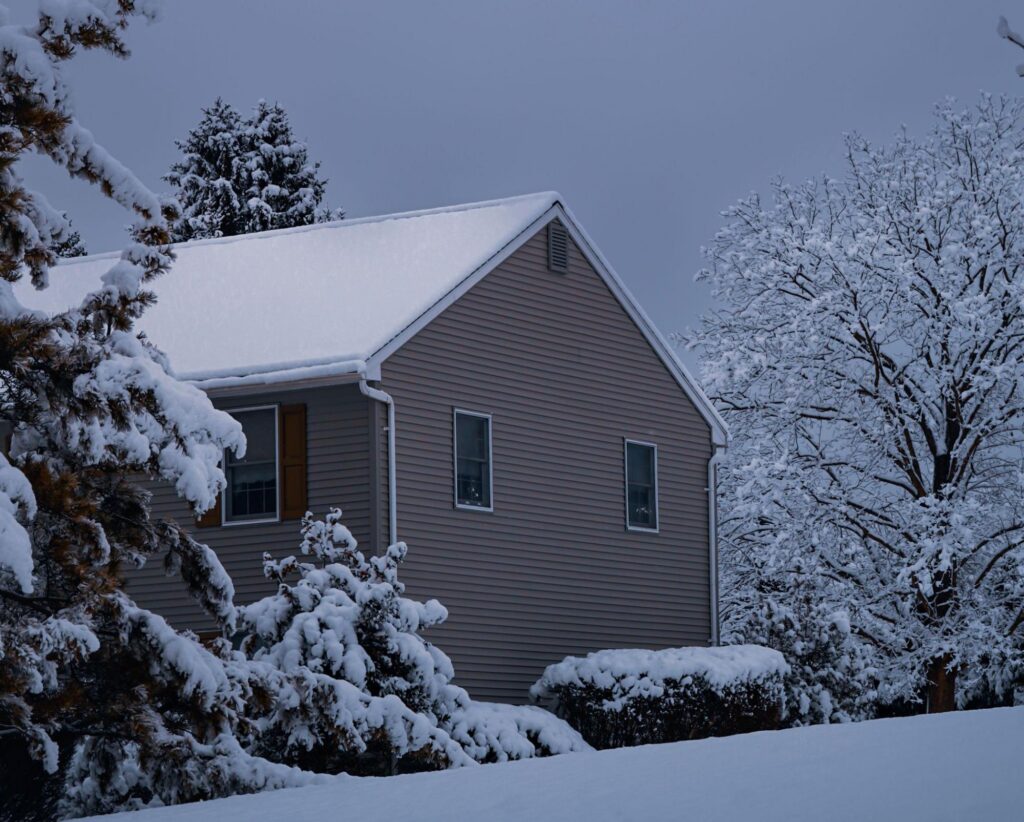
Duluth typically sees its first measurable snow in October and averages about 90 inches of snow a season. Once snow covers the roof, sunlight can’t reach the shingles to warm the sealant. For a roof installed in late fall, that can mean the shingles stay unsealed under the snow until spring.
None of these conditions guarantees a problem on its own. Together, they can leave a new roof exposed for months before its shingles bond, which is why the steps a crew takes in cold weather matter so much.
What Happens When Shingles Do Not Seal Properly?
When asphalt shingles don’t seal, the damage rarely shows up all at once. It builds slowly, usually in places you can’t see from the ground. Here’s what can happen:
- Wind lifts the edges. Unsealed shingles can lift at the corners and edges during strong gusts. Even a slightly raised tab lets rain and snowmelt slip underneath.
- Leaks start out of sight. Water that gets under the shingles soaks into the underlayment and roof decking first. By the time a stain shows up on your ceiling, the problem may have been growing for months.
- Ice dam water finds a way in. Ice dams form when heat escaping from your attic melts snow on the roof and that water refreezes at the colder edge. Water then pools behind the ice, and lifted or unsealed shingles give it an easier path under your roof.
That last point is worth clearing up, because sealed shingles alone won’t stop ice dams. The real defenses are good attic insulation and ventilation, plus an ice barrier along the eaves. Minnesota building code requires that barrier, and it has to extend at least 24 inches inside the home’s exterior wall. A free roof inspection can check all three.
When is the Best Time for Roof Replacement in Duluth?
A roof installed in the cold can hold up as well as a summer roof when the crew adds a few steps a warm-weather job doesn’t need. Most of these steps come straight from GAF’s cold-weather installation guidance, starting with clearing every bit of snow and ice off the roof deck before any material goes down.
Keeping Shingles Warm Before They Go On
GAF recommends storing shingle bundles in a heated space at about 70°F for at least 24 hours before installation, then bringing only a few bundles up to the roof at a time. Warm shingles stay flexible, so they’re less likely to crack as they’re handled and nailed.
Hand Sealing Each Shingle
Because the factory sealant won’t activate in the cold, a careful crew seals the shingles by hand. Following GAF’s hand-sealing instructions, installers place small dabs of approved roofing cement, about the size of a quarter, under each shingle tab and press it into place. The amount matters, since too much cement can cause blistering. Hand sealing gives your shingles wind protection right away instead of leaving them waiting for spring.
Careful Nailing and Leak Barrier Installation
Cold air can drop the pressure in an air compressor, which throws off nail guns. GAF advises checking pressure often, because a nail driven too deep can cut into the shingle, and one left too shallow can puncture the shingle above it. The ice barrier along the eaves needs attention too. When the air is below 40°F, GAF says the membrane itself should be at least 45°F when it’s applied. Done right, these steps keep GAF’s shingle warranty intact.
Questions to Ask Before a Cold-Weather Install
Hand sealing takes extra time, and the Insurance Institute for Business & Home Safety notes it isn’t common practice for winter installations. Before you agree to a late-season roof, ask your contractor:
- Will you hand seal the shingles, and with what product?
- How will you store and warm the shingles before they go on?
- How will you install the ice barrier if it’s below 40°F?
- Will a cold-weather installation affect my warranty?
A contractor who can answer all four without hesitating has likely done this kind of work before.
When Is the Best Time for Roof Replacement in Duluth?
For most Duluth homes, the best time to replace a roof is late summer through early fall, roughly August and September. Warm, sunny days activate the shingle sealant quickly, and the roof has several weeks to bond before the first snow. Late spring into early summer is a strong second choice once the snow is gone for good, since April can still bring measurable snow.
Lake Superior shifts the timing a bit depending on where you live. According to the National Weather Service, the first frost typically arrives around mid-September near the Duluth airport but closer to early October near the harbor. Homes up the hill have a slightly shorter window than homes near the lake.
Here’s how the seasons compare for a new roof in Duluth:
| Season | Typical Duluth Conditions | How It Works for a New Roof |
|---|---|---|
| Late spring to early summer (late May to July) | Snow is gone and days are warming up | Good choice; shingles seal steadily in the summer sun |
| Late summer to early fall (August to September) | Warm days with cooler nights | Best choice; shingles seal well before winter arrives |
| October | Average highs near 53°F, with nights often near freezing | Possible, but crews need to watch the forecast closely |
| November through April | Highs often below 40°F, with snow on the ground | Riskiest; cold-weather steps like hand sealing are a must |
Late summer and fall are also the busiest stretch of the year for roofers, so it helps to plan ahead. Scheduling your estimate in spring or early summer gives you time to compare options and lock in a spot in the ideal window. If a storm or a leak means your roof can’t wait, a roof replacement in colder months can still be done well with the right crew and the right steps.
Winter Roof Installation in Duluth, MN FAQs
How do I know if my roof needs replacement instead of repair?
What roofing material is best for homes in Duluth, MN?
How much does roof replacement cost in Duluth, MN?
Does a winter roof installation void the shingle warranty?
How do I know if my roof needs replacement instead of repair?
Widespread shingle damage, leaks that keep coming back, heavy granule loss in your gutters, or a roof that’s around 20 years old are all signs it may be time to replace rather than repair. Architectural shingles often last longer than older three-tab styles, so age alone doesn’t decide it. Our guide to roof repair vs. replacement in Duluth walks through the decision in more detail.
What roofing material is best for homes in Duluth, MN?
Asphalt shingles and metal roofing are both strong choices for Duluth winters. Quality asphalt shingles hold up well when they’re installed with an ice barrier and good attic ventilation, and they’re the more budget-friendly option. Metal lasts longer and sheds snow easily, though it usually needs snow guards over doors and walkways so sliding snow doesn’t become a hazard. The right fit depends on your home’s design, your budget, and how long you plan to stay.
How much does roof replacement cost in Duluth, MN?
Most residential roof replacements in the Duluth area cost about $8,000 to $18,000 or more. Your price depends on the roof’s size and pitch, the material you choose, how many old layers need to come off, and whether the decking underneath needs repair. A free estimate gives you an exact number for your home.
Does a winter roof installation void the shingle warranty?
No, as long as the crew follows the manufacturer’s cold-weather instructions. GAF states its warranty isn’t affected when installers follow all application requirements, including cool-weather steps like hand sealing. Before work begins, ask your contractor how they handle cold-weather installs.
Plan Your Roof Replacement Around Duluth’s Seasons
A winter roof installation in Duluth, MN can be done well, but it asks more of the crew than a summer job does. The safest plan is to aim for late summer or early fall, and if your roof can’t wait, to hire a contractor who follows every cold-weather step.
Empire Roofing has been protecting Northland homes since 1999. We’re locally owned, and as a GAF Master Elite contractor, we’re part of the roughly 2% of roofers in North America who have earned GAF’s highest certification. Whether you’re planning ahead for next season or dealing with a roof that can’t wait, schedule your free estimate or call us at (218) 724-5584, and we’ll help you pick the right time to get it done.