
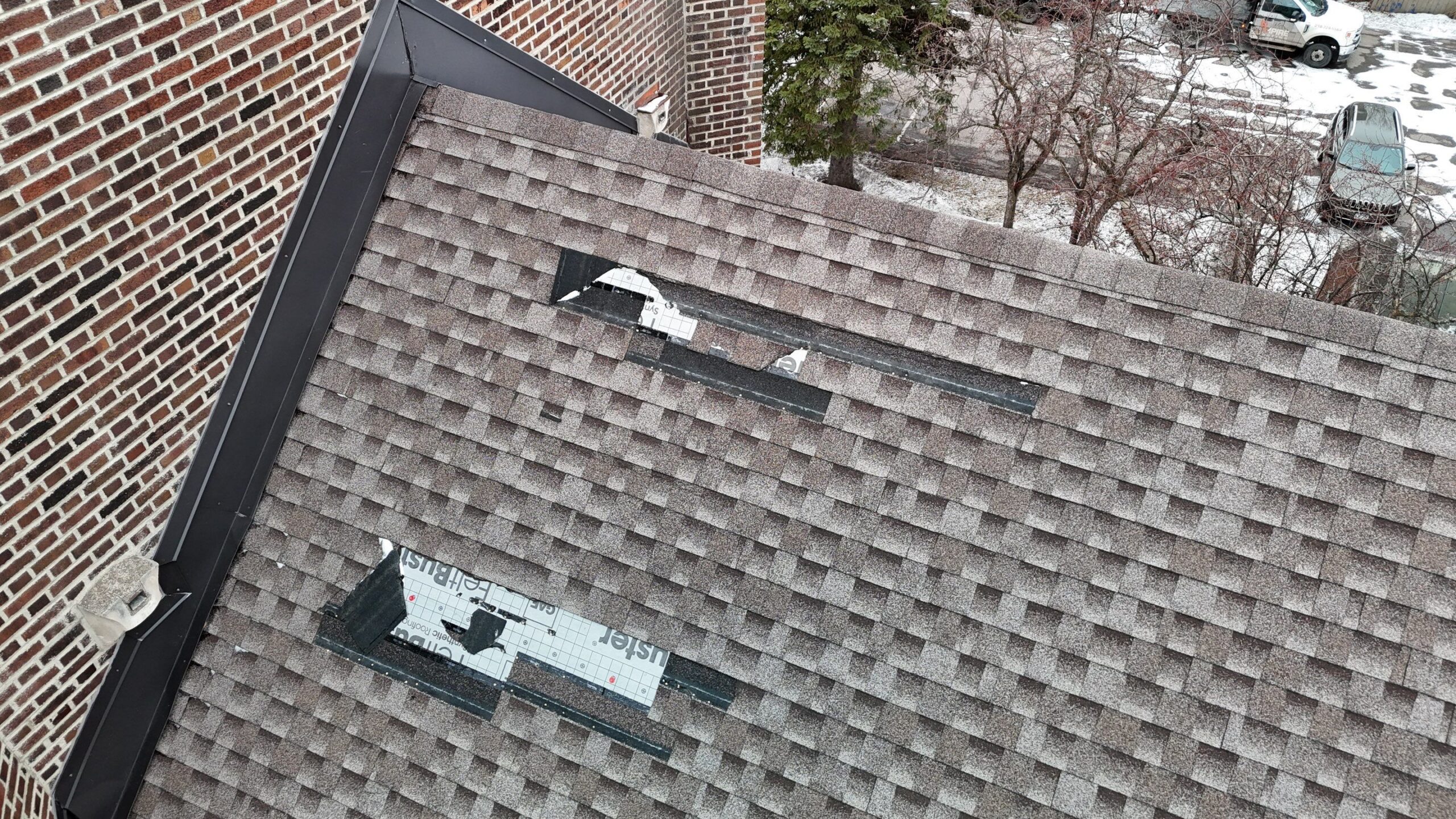
Warning signs requiring immediate roof repair include ceiling stains, missing or curling shingles, cracked sealant, and loosened flashing letting water infiltrate. Empire Roofing, serving Duluth and the Northland since 1999, notes small openings worsen with freeze-thaw cycles and heavy snow, turning minor repairs into full replacements when homeowners delay professional inspection and repair work.
Key Takeaways
Water leaks inside your home signal immediate roof damage requiring professional inspection and repair.
Missing, cracked, or curling shingles expose your roof to weather damage and deterioration.
Sagging roof sections indicate structural problems that worsen quickly without prompt professional attention.
Empire Roofing’s extensive experience in Duluth contributes to their ability to diagnose roof repair needs effectively.
What Counts As Roof Repair?
Roof repair covers the targeted fixes that address localized damage without replacing an entire roofing system. Age and ordinary weather exposure cause most of these problems, rather than one dramatic storm event. Shingles wear thin over years of freeze-thaw cycles, flashing loosens at seams, and sealant dries out and cracks. Each of these small failures opens a gap where water eventually works its way into the structure below.
Homeowners in the Northland often assume roof trouble means storm damage. Everyday deterioration accounts for a large share of the calls roof repair services handle. The good news: problems caught early are usually simple, straightforward fixes rather than major projects.
What common problems fall under roof repair?
Typical repair work addresses issues that are contained and haven’t yet compromised the roof’s underlying structure. A qualified roof repair company generally handles:
Minor leaks around vents, chimneys, or valleys
Missing or loose shingles from wind exposure
Cracked or dried sealant around flashing points
Small punctures or worn spots on apartment or metal sections
When does a small problem stop being a simple repair?
Neglect turns a minor fix into a major one. Left unaddressed, worn shingles, loosened flashing, and cracked sealant keep letting moisture in. That moisture spreads to decking, insulation, and interior ceilings. What starts as a patchable spot can grow into damage that may require more extensive repairs if left unaddressed.
Recognizing these warning signs early is a basic part of responsible home upkeep in a climate defined by heavy snow, ice, and seasonal temperature swings. Property owners who address small openings promptly tend to avoid the escalating costs that come with delayed attention. Watching for curling shingles, loose flashing, and small drips remains the simplest way to keep a repair a repair.
What Visible Shingle Damage Signals Trouble?
Curling, cracking, or missing shingles mark the clearest sign that a roof has started to deteriorate. Damaged shingles lose their ability to shed water properly, which exposes the underlayment beneath them to moisture. Left unaddressed, that exposure creates the conditions for leaks, rot, and interior damage that costs far more to fix than the shingles alone. Duluth homeowners who spot these signs after a hard winter or windstorm should treat them as an early warning, not a cosmetic issue.
Why Do Shingles Curl or Cup?
Curled shingles or cupped shingle tabs often point to problems below the surface rather than simple age. Improper installation is one cause, but poor attic ventilation ranks among the most common culprits in Northern Minnesota homes. Trapped heat and moisture in the attic bake shingles from underneath, accelerating the curling process. A qualified roofer needs to inspect the roof to determine which factor is driving the damage.
What Should Homeowners Look For?
A few visual cues separate a roof that needs monitoring from one that needs professional attention:
Curling edges on individual shingles, especially on south- and west-facing slopes
Cupped tabs that bow upward, catching wind and losing granules
Cracked or split shingles following freeze-thaw cycles common to the Northland
Missing shingles after high wind events, leaving bare patches of underlayment
A professional inspection uncovers the visible wear, aging components, and quiet trouble spots that eventually turn into leaks, giving homeowners a full picture before small damage spreads. Roof repair addresses these issues directly. roof repair services in the region cover asphalt shingle, metal, and apartment commercial systems alike. Choosing an experienced roof repair company ensures the underlying cause, not just the surface symptom, gets corrected.
What Hidden Leaks Mean For Your Home?
Water intrusion counts as a worst-case scenario for any home, one that demands immediate attention rather than a wait-and-see approach. A hidden leak rarely stays hidden for long. Within a short span, moisture can damage appliances and furniture, and left unaddressed, it can progress into structural damage that compromises the framework of the house. Mold and mildew often follow close behind, introducing health concerns that extend well beyond the roofline.
How do homeowners usually discover a leak?
Detection rarely happens early. Most homeowners only notice trouble once a stain spreads across the ceiling, a shingle turns up in the yard after a windstorm, or a drip appears during the spring thaw. By that point, moisture has often been working behind the surface for some time, hidden from view in the attic or wall cavities.
The visible signs tend to appear in a predictable sequence:
A discolored patch or ring forming on ceiling drywall
Shingles or granules found on the ground after wind events
Soft or sagging spots underfoot in attic spaces
Musty odors that persist regardless of ventilation
Dripping or moisture noticed after snowmelt or heavy rain
Why does a small leak turn into a major expense?
Small leak-related issues rarely stay small. Left alone, minor openings around flashing or worn shingles allow water to keep entering with every storm and thaw cycle. Over time, that repeated exposure grows into damage severe enough that a full roof replacement becomes the only remaining option, rather than a targeted fix. Northern Minnesota’s freeze-thaw cycles accelerate this timeline, since trapped moisture expands and contracts with every temperature swing. Acting on the first sign of a stain or a missing shingle protects the structure underneath. Keeps a manageable roof repair from becoming a far costlier rebuild.
How Does Northland Weather Cause Damage?
Winter cycles of freezing and thawing pull roofing materials apart, one thaw at a time. Duluth-area roofs carry added stress from storm damage, ice dams, and the repeated freeze-thaw strain that heavy snow places on a structure every winter. Snow melts during the day, refreezes overnight, and the expanding ice works into seams and fastener lines that were never designed to flex that often. Over a full season, that repeated motion loosens shingles and opens small gaps for water.
Storms bring a separate set of problems. Hail bruises or cracks shingle surfaces, high wind lifts edges and tears off sections outright, and fallen branches puncture roofing material on impact. Roof repair services aimed at this kind of damage typically address hail, wind, and debris strikes as distinct problems. Each affects the roof surface differently and calls for its own fix.
Does storm damage affect home insurance claims?
Hail and wind damage often falls under a homeowner’s insurance policy, but documenting the damage correctly matters as much as the repair itself. Storm-related claims frequently involve a separate insurance process. Navigating that paperwork alongside the physical repair is part of what professional roof repair services are built to handle.
Why do small roof problems turn into big ones?
Minor issues rarely stay minor on a Northland roof. A curled shingle or a hairline crack left through one winter cycle tends to widen with each freeze-thaw pass. Left unaddressed, that small wear point grows into a leak, and a leak left unaddressed grows into a far larger repair bill. This pattern is why homeowners are advised to treat early warning signs as a call for inspection rather than something to monitor. A qualified roof repair company evaluates whether early wear needs a targeted fix or signals a larger structural concern.
When Should You Call A Roof Repair Company?
Water stains on a ceiling, missing shingles after a windstorm, or a soft spot underfoot all signal that a call to a roof repair company is overdue. Waiting longer only allows small problems to spread into structural damage, mold growth, and higher repair bills. Northern Minnesota’s freeze-thaw cycles and heavy snow loads accelerate that spread, making early evaluation the difference between a patch job and a full tear-off.
An established company built on roof repair work can tell homeowners honestly whether damage calls for a repair or something larger. That kind of straight answer matters most after a storm, when panic can push a homeowner toward unnecessary replacement or, worse, toward ignoring damage that needs attention now. A qualified roofing contractor inspecting the property firsthand remains the only reliable way to understand the full extent of the problem before deciding between a patch and a full replacement.
How do homeowners know if a contractor is trustworthy?
Reputation built over decades offers one clear signal. More than 25 years of inspecting roofs across Duluth. The surrounding Northland gives a contractor the pattern recognition needed to judge repair versus replacement accurately, rather than guessing from a single visit. Customer feedback offers another signal worth checking before scheduling any work.
A track record exceeding 200 five-star reviews reflects consistent satisfaction with completed repair work.
Decades of regional experience translate into familiarity with local weather stress on shingles, flashing, and ice-dam-prone edges.
Comprehensive roof repair services should cover inspection, diagnosis, and a clear explanation of findings, not just a quick fix.
A standardized call to action used across the site invites homeowners to schedule that evaluation before minor wear becomes major cost.
FAQ
What are the clearest signs my roof needs repair now?
Ceiling stains, missing or curling shingles, cracked sealant, and loosened flashing all signal active water infiltration. These issues worsen quickly under freeze-thaw cycles and heavy snow common to the Northland.
Why do small roof issues turn into major repairs?
Neglected leaks, loose flashing, and cracked sealant let moisture spread into decking, insulation, and ceilings. What starts as a simple patch job can escalate into damage requiring full roof replacement.
What causes shingles to curl or crack?
Curling or cupped shingles often result from improper installation or poor attic ventilation, not just age. This underlying damage exposes the underlayment to moisture and accelerates deterioration.
Conclusion
In closing, recognizing the warning signs of roof damage—whether missing shingles, interior stains, or visible deterioration—positions homeowners to act decisively before minor issues escalate into costly structural problems. Prompt inspection and repair protect your property’s integrity and preserve long-term value. When you identify any of these indicators, professional assessment delivers the clarity needed to determine whether repair or replacement serves your home best. Addressing roof concerns promptly safeguards your investment and ensures reliable protection for years ahead.