
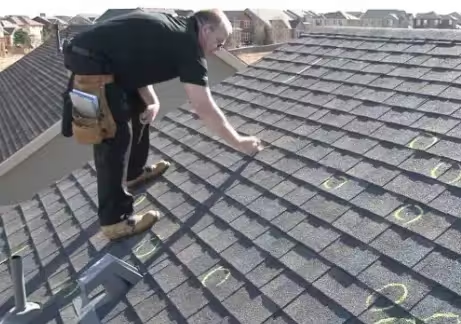
Mild winters mask cumulative roof stress rather than eliminate it. Freeze-thaw cycles, UV exposure, and wind-driven debris still degrade shingles, flashing, and sealant regardless of snowfall totals. Empire Roofing’s free roof inspection identifies aging components. Hidden wear before Northern Minnesota’s next winter arrives, protecting homes from costly spring leaks and structural damage.
Key Takeaways
Mild winters hide roof damage that harsh weather typically exposes during spring thaw inspections.
Fall inspections catch problems before winter arrives, protecting your Duluth home from costly damage.
Empire Roofing’s 26+ years serving the Northland means we know regional weather patterns thoroughly.
Schedule your inspection now and save up to 10% on roof repairs.
Why Does a Mild Winter Still Threaten Your Roof?
Mild temperatures do not cancel out the freeze-thaw cycles that stress a Northern Minnesota roof. Even a few nights near freezing followed by a daytime thaw put repeated pressure on shingles, flashing, and seams. Add typical snow buildup, and the load on a roofing system stays significant no matter how the season “feels” overall.
Small problems rarely announce themselves right away. A cracked seal or a lifted shingle edge often develops slowly, worsening with each freeze-thaw cycle until it becomes a far costlier repair. Waiting for warmer weather to check the roof gives these small issues more time to spread underneath the surface.
Can Roof Damage Go Unnoticed During Winter?
Yes. Many homeowners only discover a problem once it shows up as a stain on the ceiling, a shingle torn loose after a windstorm, or a leak during the spring thaw. By that point, the damage has usually been building for weeks or months, hidden from view.
What Makes Winter Roof Problems Different?
Certain issues only reveal themselves once conditions shift. Ice damming, trapped moisture, and slow leaks near flashing rarely show from the ground. Some only become obvious later in the season. A scheduled roof inspection catches these signs before they progress.
For homeowners weighing whether a mild season still warrants attention, the pattern is consistent:
Freeze-thaw cycles stress seams and flashing regardless of overall temperature averages.
Snow buildup adds weight and moisture exposure even in a lighter winter.
Damage signs like ceiling stains or spring leaks often mean the problem started months earlier.
An inspection for roof conditions before winter fully sets in remains one of the most reliable ways to catch these developing issues early.
What Hidden Damage Builds Up During Mild Winters?
Mild winters hide roof damage rather than prevent it. Snow, ice, and freezing temperatures make certain problems harder to spot on a Duluth-area home. Those problems grow more severe the longer they go unnoticed. A roof that looks fine from the driveway can be losing its defenses one freeze-thaw cycle at a time.
Ice damming ranks among the most deceptive of these issues. This common cold-weather problem forms when repeated freeze-thaw cycles push meltwater back under shingles instead of off the roof edge. Weeks can pass before a stain appears on a ceiling, by which point moisture has already soaked into the roof deck.
What other roof damage happens quietly during winter months?
Shingles wear thin, flashing loosens around chimneys and vents, and sealant dries out and cracks under repeated freezing and thawing. Each of these creates a small opening. Water finds those openings and works its way in gradually, often with no visible sign at first.
Left unaddressed, this minor wear does not stay minor. What starts as a loose shingle or a hairline crack in sealant can spread into structural damage serious enough to demand a full roof replacement rather than a simple repair.
Homeowners can watch for a few early indicators between now and spring thaw:
Thickening ridges of ice along the roof edge or in gutters
Shingles that appear curled, cracked, or missing granules
Soft or discolored patches on ceilings and attic rafters
Gaps or separation around chimney flashing and vent boots
A seasonal roof inspection catches these signs before mild weather turns into a costly spring surprise. Scheduling an inspection for roof components before winter fully sets in gives property owners in Duluth. Across Northern Minnesota a clear picture of where the roof stands, rather than a guess based on what is visible from ground level.
What Does a Professional Roof Inspection Cover?
A roof inspection delivers a clear, complete picture of a roofing system’s current condition. Trained inspectors do not simply glance at shingles from the driveway. Every visible surface, seam, and edge gets examined for signs of trouble before small problems turn into expensive ones.
Homeowners in Duluth and across Northern Minnesota face freeze-thaw cycles that accelerate wear in ways sunnier climates rarely see. A thorough inspection for roof components accounts for this reality rather than treating every roof the same way.
What do inspectors actually look for?
Inspectors check for visible wear, aging components, and problem areas surrounding the roofline that homeowners often overlook. Loose flagpoles of shingles, deteriorating flashing, and worn seals around vents all fall under this review. The surrounding structure matters too, since chimneys, skylights, and vent stacks create vulnerable transition points.
Physical damage receives close attention during any credible assessment. A complete review typically includes:
Tears, splits, and punctures across the roofing surface
Clogged drains and gutters that trap moisture against the roof deck
Signs of granule loss or brittle, cracking shingle material
Soft spots or sagging that suggest deck-level deterioration
Who performs these inspections in the Northland?
Empire Roofing has provided thorough roof inspections throughout Minnesota and Wisconsin for homeowners and property owners across the region. Local experience matters here. A roof built to handle heavy snow load and rapid temperature swings needs evaluation from someone familiar with those specific stresses, not a generic checklist. Skipping this step before winter leaves damage to worsen unseen, often until a ceiling stain or active leak forces the issue in the middle of the coldest months.
Why Is Fall the Best Time to Inspect?
Autumn offers the clearest window for catching roof damage before winter turns small issues into major expenses. Mild temperatures and dry conditions allow crews to examine every shingle, seam, and flashing point without the interference of snow or ice. A roof inspection scheduled in September or October gives Duluth-area homeowners a full accounting of their roof’s condition while repairs are still simple to complete.
Cold-season weather changes everything about roof work. Ice and snow cover damaged areas, hide leaks, and make rooftop access dangerous for even experienced crews. Completing an inspection for roof systems in fall avoids these obstacles entirely. Problems remain visible and repair crews can move freely across dry, stable surfaces.
Does Waiting Until Winter Cause Bigger Problems?
Yes. A roof serves as a home’s first line of defense against harsh winter weather. Its condition heading into that season determines how well it holds up. Once snow accumulates and temperatures drop below freezing, minor issues like loose flashing or worn sealant often turn into active leaks, ice dams, or structural stress that costs far more to fix.
Is a Fall Inspection Worth the Cost?
Property owners consistently come out ahead by inspecting early. A free assessment scheduled in fall costs far less than the repair bill that follows a mid-winter roof failure. Consider what fall inspections typically catch before conditions worsen:
Cracked or missing shingles from summer storms
Deteriorated flashing around chimneys and vents
Early signs of moisture intrusion in the attic
Clogged gutters that contribute to ice dam formation
Addressing these items in October, rather than during a January cold snap, protects both the roof structure and the household budget.
How Can You Prepare Your Roof Before Winter?
Winter preparation starts with a professional roof inspection scheduled before the first hard freeze arrives. Duluth and Northern Minnesota homeowners who skip this step risk hidden weak points turning into ice-dam leaks, attic moisture, and structural damage once heavy snow settles in. A thorough inspection for roof systems catches loose shingles, worn flashing, and drainage issues while repairs are still affordable and straightforward.
Empire Roofing has served Duluth and the Northland for over 26 years, giving the company a long track record with the region’s freeze-thaw cycles and lake-effect snow loads. That regional experience shapes what the inspection checklist prioritizes each fall.
What should a pre-winter roofing checklist include?
An effective checklist covers more than a visual scan from the ground. Homeowners benefit from a review that addresses:
Shingle condition and granule loss
Flashing integrity around chimneys and vents
Gutter attachment and drainage flow
Attic ventilation and insulation gaps
Signs of prior storm or ice-dam stress
Is now a good time to schedule roofing work?
Timing matters, and current conditions favor acting quickly. Empire Roofing holds over 200 five-star reviews from homeowners across the region, reflecting consistent results on jobs completed ahead of winter deadlines.
The company remains fully licensed and insured for both residential and commercial roofing projects. Property owners can move forward with confidence. A limited-time promotion also allows homeowners to save up to 10 percent on a roof project through July 4, 2026. Veterans and first responders qualify for an additional 5 percent in savings on top of that standard discount, making pre-winter repairs or replacement more accessible before temperatures drop.
FAQ
Why does a mild winter still damage your roof?
Freeze-thaw cycles, UV exposure, and wind-driven debris stress shingles, flashing, and sealant regardless of snowfall totals. These conditions build cumulative wear that a mild season doesn’t eliminate.
What hidden problems can a fall roof inspection catch?
Ice damming, trapped moisture, and slow leaks near flashing rarely show from the ground. A scheduled inspection identifies these developing issues before they progress into costly spring leaks or structural damage.
Why choose Empire Roofing for a fall roof inspection?
Empire Roofing brings 26+ years serving Duluth and the Northland, over 200 five-star reviews, and licensed, insured service. The company offers a free roof inspection to catch hidden wear before winter arrives.
Conclusion
In closing, a mild winter does not eliminate the structural vulnerabilities that develop year-round on your roof. Fall inspections identify damage before winter weather intensifies, protecting your property from costly repairs and ensuring your roofing system performs as designed. Whether your region experiences severe cold or moderate conditions, proactive assessment remains the most effective strategy for extending roof life and maintaining the integrity of your home or business. Schedule your inspection today to secure peace of mind through the seasons ahead.