
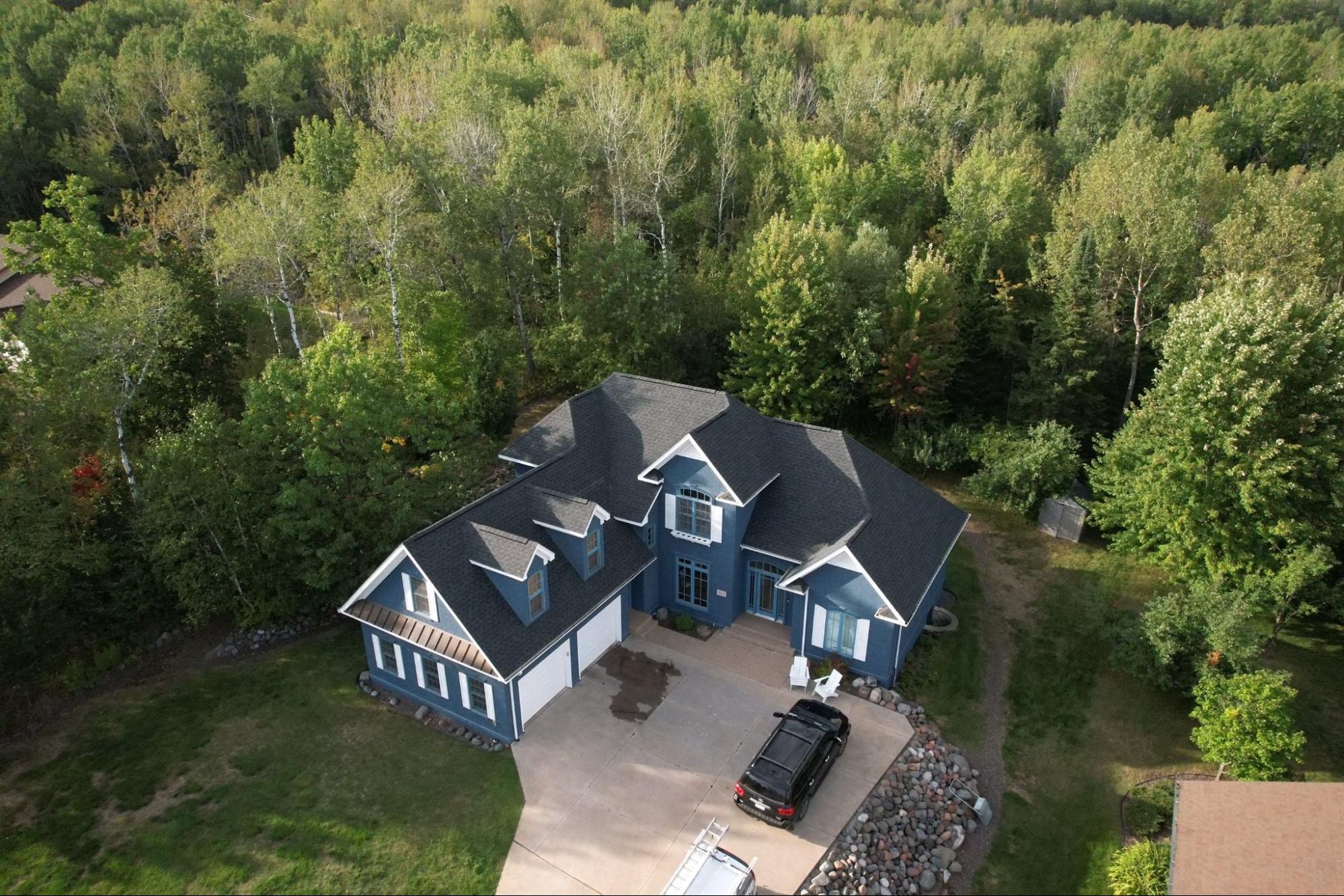
Get Your Roof Ready Before the Northland Winter Hits
A fall roof maintenance checklist should cover gutters, shingles, flashing, ventilation, and overhanging branches, all checked before the first hard freeze. Catching small problems now, while the weather still cooperates, is what keeps a Duluth roof from turning a Northland winter into a repair bill. Here is what to walk through before the snow flies, and when it is time to call a professional instead of handling it yourself.
Late summer and early fall are the last real window to get ahead of winter. Once snow and ice set in, small issues like a loose shingle or a clogged gutter stop being small. They become ice dams, leaks, and interior damage that cost far more to fix than they would have in October. Empire Roofing has spent over 26 years helping Duluth and Northland homeowners get their roofs ready for what comes next, and this checklist is the same one our crews use in the field.
Your Fall Roof Maintenance Checklist
Work through these in order. Most take an afternoon, and a few are worth handing to a professional.
1. Clear Gutters and Downspouts

Clogged gutters are one of the most common causes of winter roof damage in Minnesota. When leaves and debris block water flow, that water backs up under your shingles or freezes into ice dams along the roofline. Clear out gutters and downspouts, then run water through them to confirm they drain freely and away from your foundation.
2. Inspect Shingles for Damage
Walk your property line and look up at your roof from several angles. You are checking for shingles that are cracked, curling, missing, or bare of granules. Summer storms and hail are common across the Northland, and damage is not always visible from the ground. If anything looks off, or if you know a storm rolled through this summer, a free professional inspection is worth scheduling before winter locks in the damage.
3. Check Flashing and Seals
Flashing around chimneys, vent pipes, and skylights is one of the most common places roofs leak. Look for flashing that is lifted, cracked, or rusted, and check that sealant around penetrations has not dried out or pulled away. These are small repairs when caught early and expensive interior repairs when they are not.
4. Trim Overhanging Branches
Branches that hang over your roof drop debris into your gutters all fall and become a real hazard once heavy, wet snow piles up on them. Trim back anything within six feet of your roofline before winter weight turns a branch into a falling limb.
5. Check Attic Ventilation and Insulation
Poor attic ventilation is one of the biggest drivers of ice dams in Minnesota. When warm air collects in an under-ventilated attic, it melts snow on the roof from underneath, and that meltwater refreezes at the colder eaves and backs up under your shingles. A quick check of your attic’s insulation and airflow now can prevent that cycle from starting once the snow arrives.
6. Look for Moss, Algae, or Granule Buildup
Dark streaks, moss, or a buildup of loose granules in your gutters are signs your shingles are aging or holding moisture they should be shedding. None of these are emergencies on their own, but they are worth noting and mentioning to a professional at your next inspection.
7. Schedule a Professional Inspection
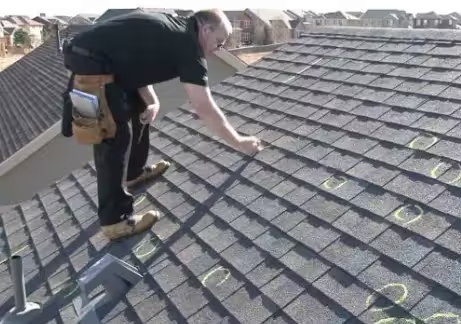
A homeowner can catch a lot from the ground and the attic, but a trained eye on the roof itself finds what binoculars cannot. A professional fall inspection is the difference between heading into winter with confidence and heading into winter hoping for the best.
When to Call a Professional Instead of Handling It Yourself
Some items on this checklist are safe for most homeowners. Others are not worth the fall risk or the guesswork. Call a professional if you notice missing or damaged shingles, soft or sagging spots on the roof deck, daylight visible through the attic roof boards, water stains on interior ceilings, or if you are not comfortable getting on a ladder in the first place. None of that is worth a trip to the ER over a roof that a free inspection could have caught safely.
If a storm has come through your neighborhood this year, it is also worth having your roof checked before you assume it made it through undamaged. Empire Roofing provides full insurance claim handling on both repairs and replacements, documenting damage and working directly with your adjuster. Minnesota law prohibits contractors from covering or rebating your insurance deductible, and you can read more about that from the Minnesota Department of Labor and Industry.
Why Duluth Homeowners Trust Empire Roofing With Fall Inspections
Empire Roofing has served Duluth and the Northland since 1999. We are the only GAF Master Elite roofing contractor north of the Twin Cities, fully licensed under BC574373, and backed by more than 200 verified five-star reviews. Our fall inspections are free, our estimates are written and detailed, and our workmanship is backed by a one-year warranty on repairs and a two-year warranty on replacements, in addition to the manufacturer’s product warranty.
We do not offer 24/7 emergency service, but if a fall storm leaves your roof exposed, emergency tarping is available and after-hours requests are returned the next business day. Getting ahead of the season with a fall inspection is the best way to avoid needing that call in the first place.
Fall Roof Maintenance FAQs
When should I schedule fall roof maintenance in Duluth?
Late August through October is the ideal window, before the first hard freeze and while there is still time to schedule repairs. Waiting until the first snowfall limits your options and can push necessary work into spring.
Can I do a fall roof inspection myself?
You can safely check gutters, look for visible shingle damage from the ground, and inspect your attic for ventilation and insulation issues. Getting on the roof itself, or investigating anything that looks like structural damage, is best left to a professional.
How much does a fall roof inspection cost?
Empire Roofing provides free inspections for Duluth and Northland homeowners. You will get a clear, written assessment of your roof’s condition with no obligation to move forward.
What causes ice dams, and can fall maintenance prevent them?
Ice dams form when heat escaping through a poorly ventilated attic melts snow on the roof, which then refreezes at the colder eaves and backs up under the shingles. Clearing gutters and checking attic ventilation in the fall are two of the most effective ways to reduce the risk.
What if I find storm damage while doing my own inspection?
Schedule a free professional inspection as soon as possible. Empire Roofing documents the damage, works directly with your insurance adjuster, and can arrange emergency tarping if your roof needs protection right away.
Schedule Your Free Fall Roof Inspection
A few hours spent on this checklist now can save you a much harder winter later. If anything on this list gives you pause, or if you would rather have a professional confirm your roof is ready, Empire Roofing offers free inspections across Duluth, Hermantown, Proctor, Cloquet, Two Harbors, Silver Bay, Virginia, Hibbing, Superior, Ashland, and the surrounding Northland.